Post #4: Southern Massachusetts and Rhode Island, August 14 to 18.
From the Catskills, we moved over to Plymouth, Massachusetts, just south of Boston. We found a nice, heavily wooded campground with lots of room between spaces. The campground is fairly central to the things that we’ve wanted to visit, Plymouth, Cape Cod, and Newport, Rhode Island. As you know, we use our “camping” spot to put us into the general areas that we want to visit, then fan out up to about an hour to see the sites. This stop was no exception.
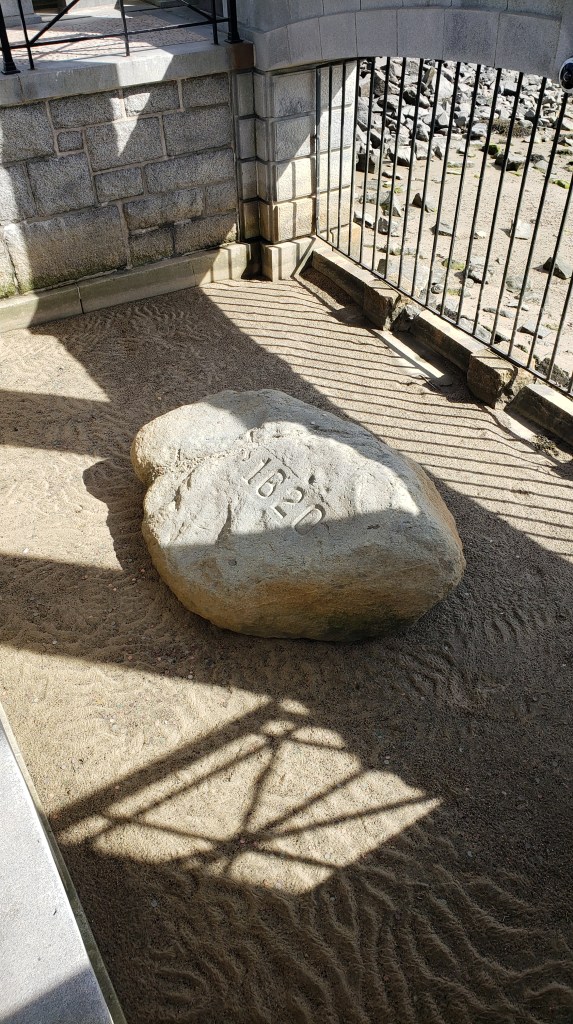
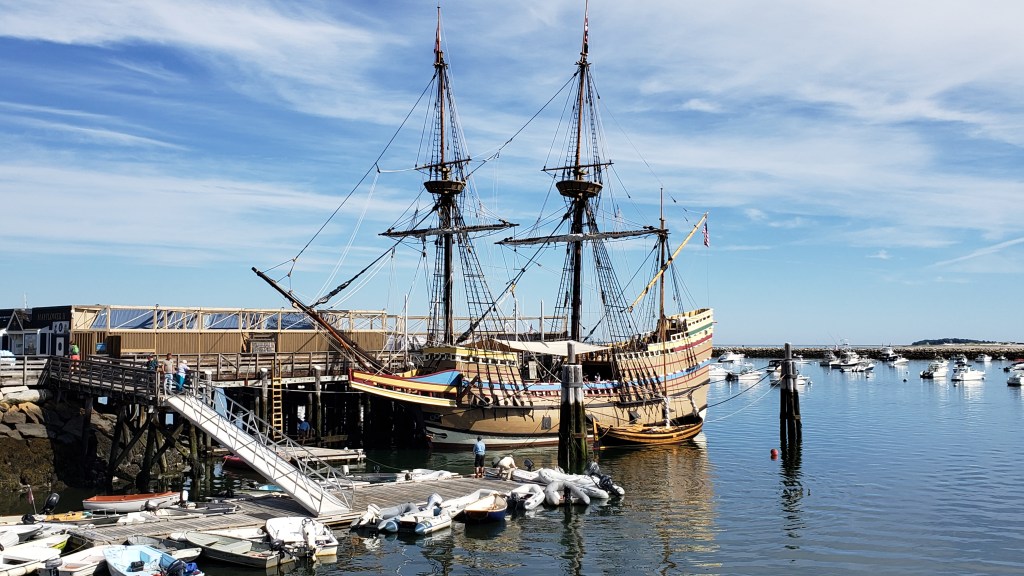
We started out Monday morning by driving the short distance into Plymouth. Finding free parking at a city park got us off to a good start. After a very short stroll on a park path along a creek, we found ourselves right at that iconic spot that every tourist has got to visit, Plymouth Rock. Supposedly, it is a piece of the actual rock upon which the Pilgrims actually landed in 1620. Over the years before the rock was protected, tourists would chip away pieces as souvenirs to the point that it’s now about a third of the size that it once was. From there, we walked the town, took pictures of the Mayflower II (another touristy spot), visited a museum about the history of the town, and strolled through the cemetery that even has some of the original settlers buried there.
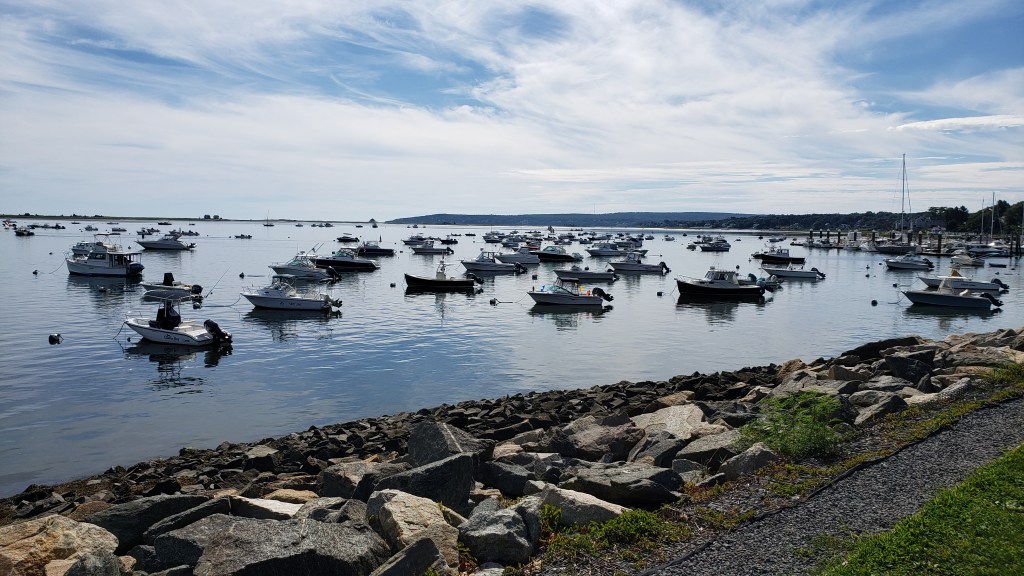
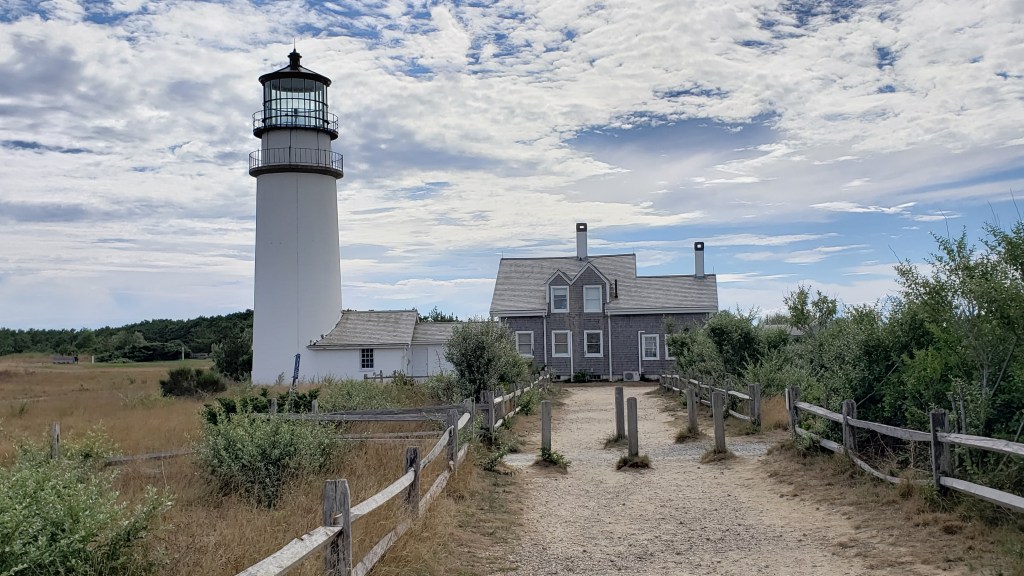
We left from Plymouth and headed in a generally easterly direction out around Cape Cod to the Cape Cod National Seashore. There were two National Park visitor centers that had multiple videos that we took in before checking out the great views of the coastline, lighthouses, and ocean. The second visitor center was in Provincetown, at the tip of the Cape Cod peninsula. On the way back, we also visited the Highland Light (lighthouse).
On Tuesday, we drove back about an hour southwest to Newport, Rhode Island. Parking there was expensive ($8/hour), but we found out from the guy at the Newport visitor center that we could park at the transportation center and if we rode the free shuttle bus around town, that we could get our $20 parking charge reduced to just $2 for the whole day. Of course, we did park there and used the free hop-on/hop-off shuttle bus to get us around town. Using the shuttle bus, we rode down to the Bellevue Avenue area where many of the ultra-rich built summer “cottages” along the shoreline where they would spend just a couple of months each summer. We toured three of the Gilded Age homes, all of which were extremely over the top. The first home we visited was The Breakers, completed in 1895 by Cornelius Vanderbilt II who was one of the richest men in America at the time. It’s the largest of the cottages with 70 rooms, including 48 bedrooms for family, visitors, and staff. It even has 27 fireplaces, even though the house has central heat. The house includes 138,000 square feet and cost $11M to build in 1895.
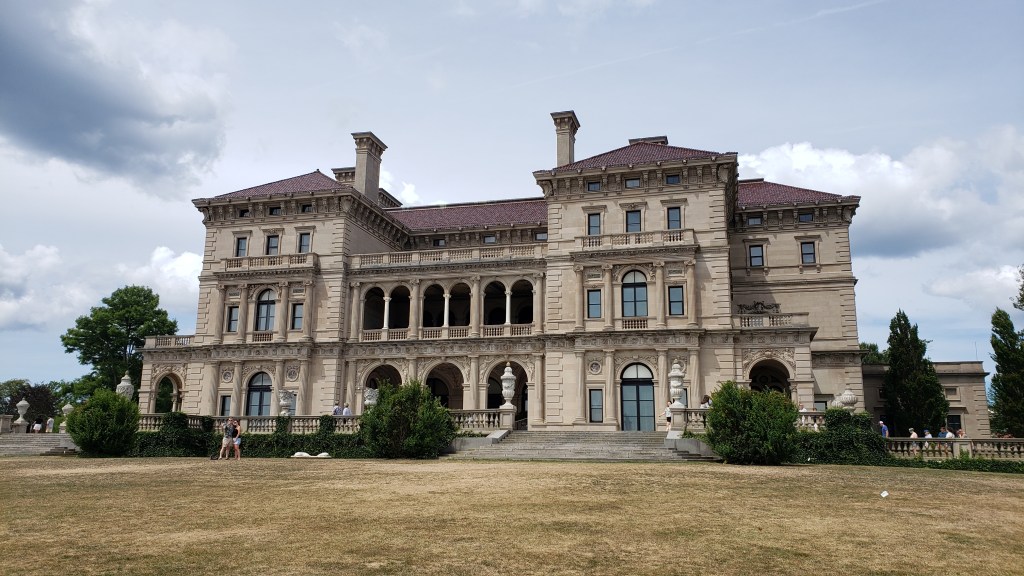
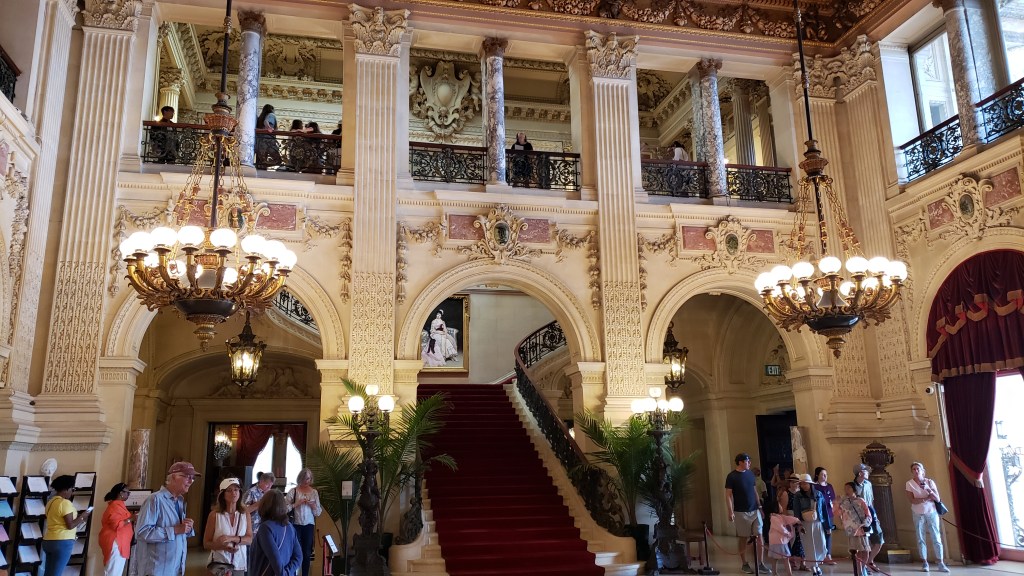
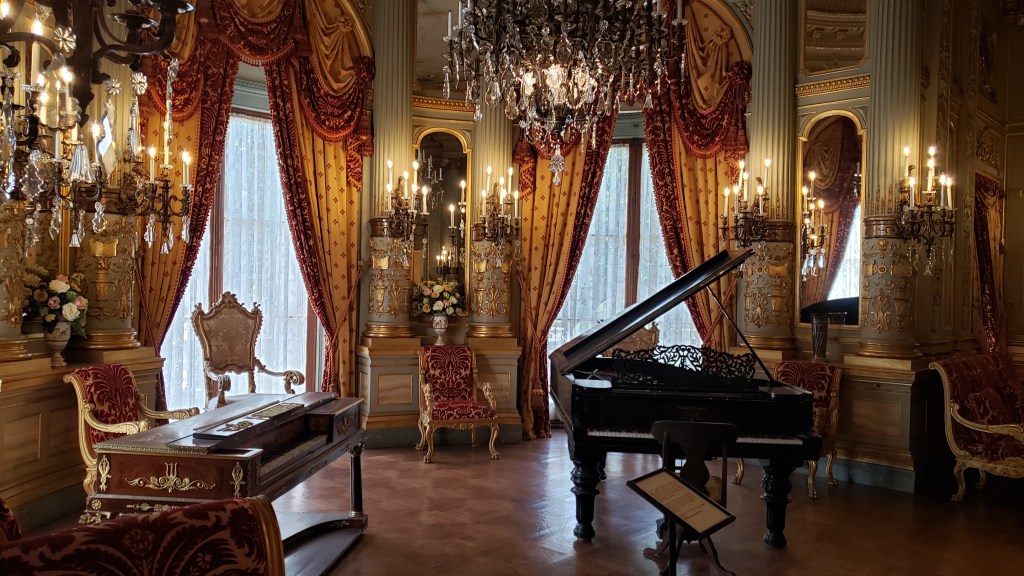
We followed that with a short walk along the famed Cliff Walk that hugs the shoreline behind all of the mansions. We walked to The Elms, completed in 1901 by coal magnate, Edward Berwind at a cost of $1.5M. While much smaller at ONLY 60,000 square feet, it was another beautiful example of the Gilded Age mansions. Even though his riches came from coal, we were amazed to find that the stove in the kitchen remained lit and ready for use for the entire “season”, several months during the summer, and burned 30 tons of coal each summer. He didn’t want coal or ash trucks to be seen on the property, so he built an underground access to another street for the trucks.
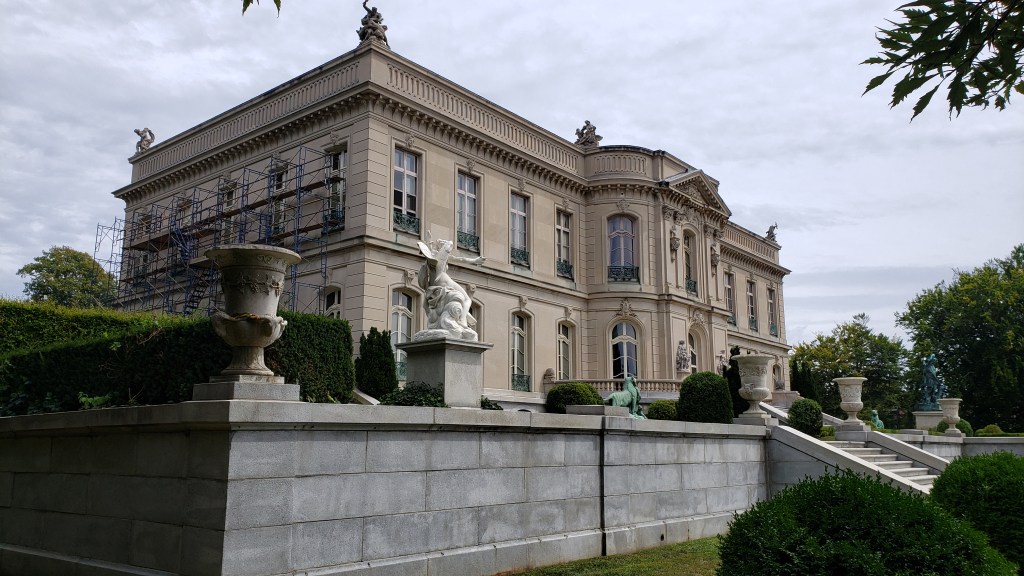
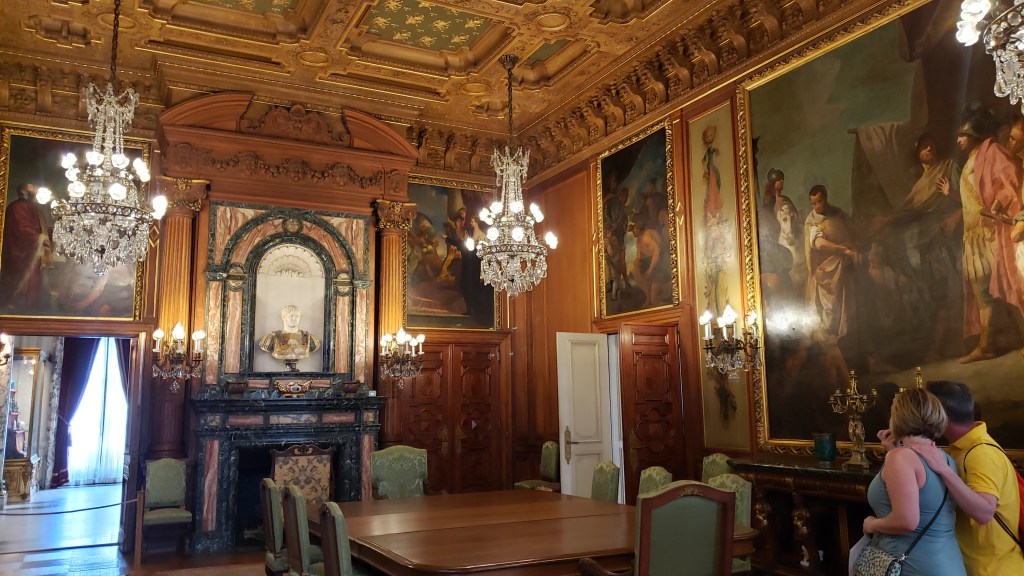
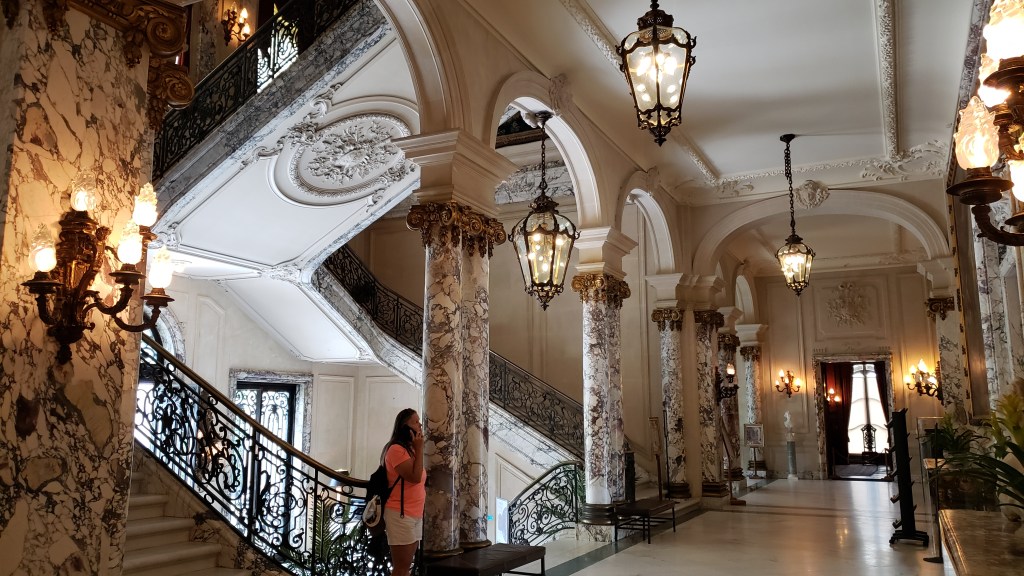
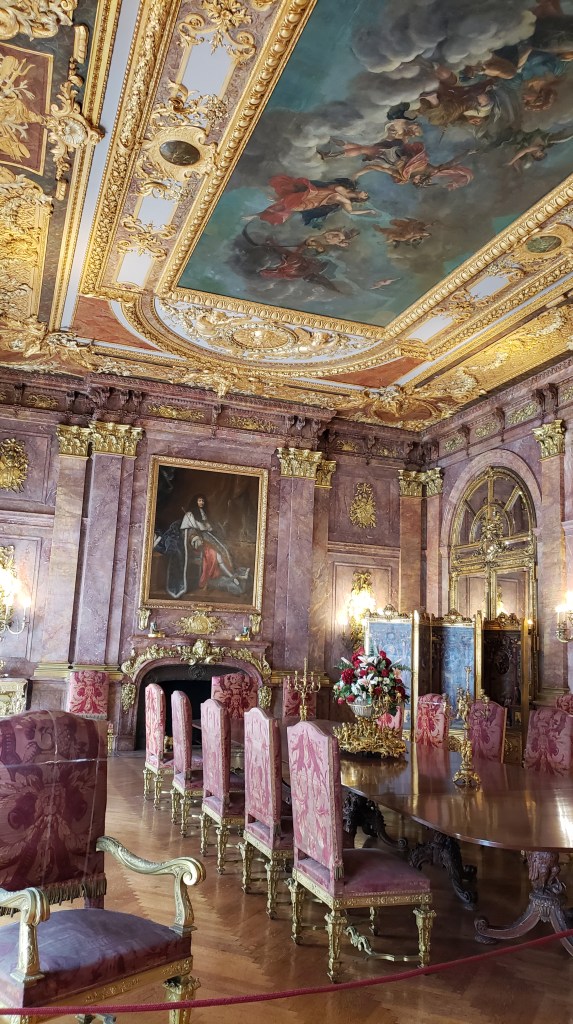
After touring The Elms, we again rode the free shuttle down to what may have been the most opulent mansion in Newport, even if it wasn’t the largest. Marble House was built by William K. Vanderbilt and the 50-room house was completed in 1892 at a cost of $11M to build and furnish. Vanderbilt spent over $7M just on the marble used to build the house. And remember, this was in 1892! Every room was floor to ceiling marble. Upon completion, William gave the house to his wife for her 39th birthday. The large “Grand Salon” ballroom’s walls were completely covered in 22-karat gold leaf, giving it the moniker of “The Gold Room”. The chairs in the dining room were bronze, covered in gold, and weighed 75 to 100 pounds each, with a footman stationed at every one of the dozen or more chairs just to move them in and out for the dinner guest. After later divorcing William and marrying another millionaire that lived nearby, Alva left the house and only used it as storage for her many dresses (women changed up to seven times a day). She also kept the laundry open because she felt that it was better than the one in her new mansion.
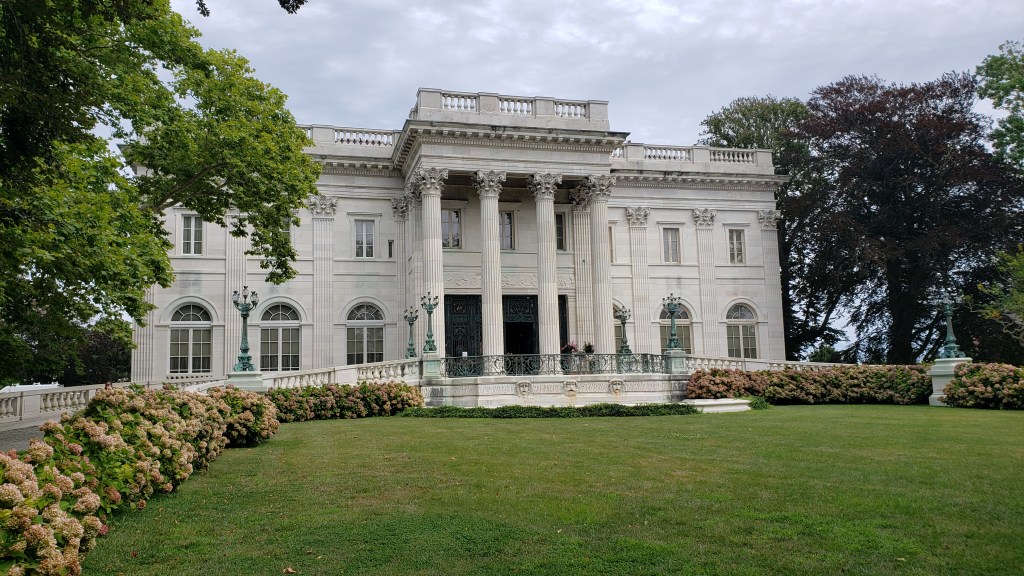
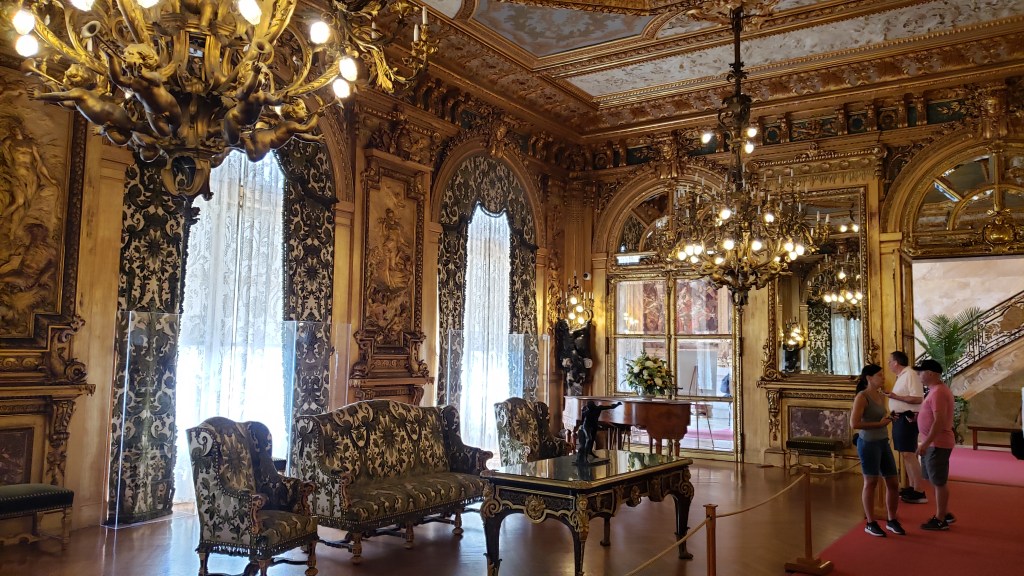
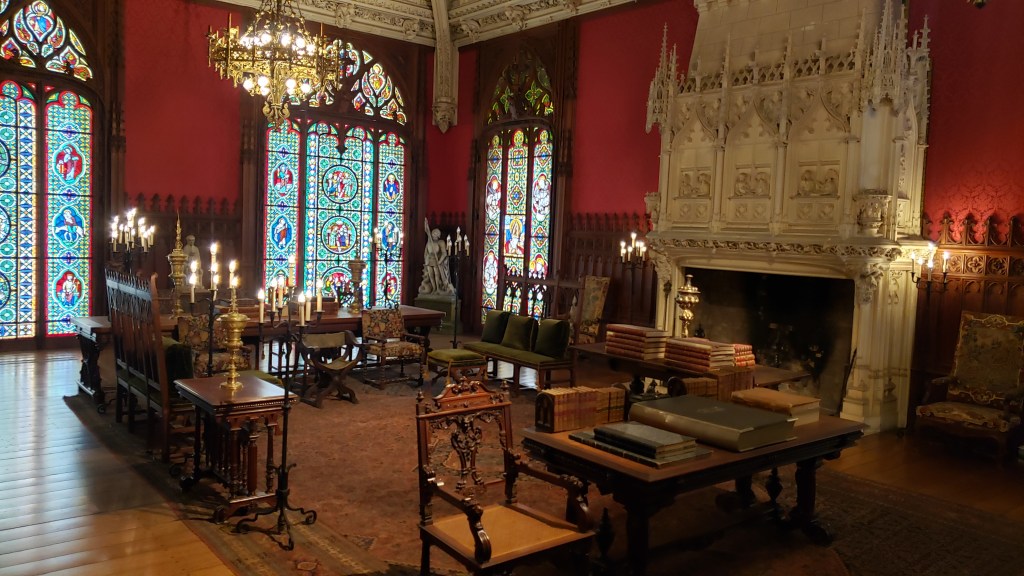
If you’ve never been to Newport and toured the mansions, sorry “summer cottages”, I highly recommend it. Also, the town of Newport is a great place to visit in itself. Tons of amazing restaurants.

 LyndDebTravel