Post #6: Acadia National Park and Bar Harbor, Maine, August 24 to August 31.
Let me just start by saying that Acadia National Park is amazingly beautiful and is now ranked among our top two or three most favorite National Parks. As you can imagine with all of this beauty, my cameras were running nonstop, but the pictures just can’t do it justice. Nevertheless, I’m going to include a lot of those pictures in this edition of the blog anyway. I hope I’m not overwhelming everyone with the number of pictures. I’m going to try a different approach regarding the pictures since there are so many this time. I’m going to put them all at the end of the post, with captions, rather than scattering them throughout. Hopefully that will make for easier reading. Please comment and let me know if you prefer it this way, or if you prefer each picture be placed with the text that mentions it.
From Camden, ME, we traveled just a few hours up the coast to a private campground just outside of both Bar Harbor, ME and the main entrance to Acadia National Park. Debbie had located a nice park that worked completely on a first-come/first-served basis. We were a little leery about being able to get a spot without reservations at a campground so close to the National Park during the peak season. Since it was pretty close to Camden, we were able to arrive at about 11:00 a.m. and were told that there were a few full hookup sites that MIGHT be available. The first two pull-through sites turned out to be occupied and the campers weren’t moving, so we moved on and discovered a pair of back-in sites. We chose the larger of the two and backed in. The campground cost was super reasonable at $50 per night, and since we were staying a full week, we got one night free and the total cost for the week was just $300. As we were unhooking our trailer, a really nice Class A motorhome pulled in and started to unhook their tow car so that they could back into place. While he was unhooking and I was starting to get my cords and hoses out to hook up, yet another camper walked up and asked both of us if we were leaving. Unfortunately for him, we were not leaving, and he walked off with a frown. The early bird catches the worm! It turns out that the couple in the Class A were from San Antonio. He was originally from Belgium and I believe she may have been from England, although I don’t think she ever said. (His accent seemed British to me as well.)
After getting all hooked up, and since it was still early in the day, we decided to go into the National Park just to feel out the situation. We discovered that the free park bus system actually picked up right at our campground, so we took the 7-8 minute ride to the Hulls Cove Visitors Center, which seemed to be the main visitor center in Acadia National Park. After going to the visitor center and talking to the ranger to get advice and suggestions, we boarded the Loop Road bus for a trip around the park, getting off at some of the major stops. It was a good way to feel out their free transportation system that we’d be using all week. I will say that for the rest of the week it was easier for us to just drive to the visitor center from our campground since it was so close, rather than trying to time catching a bus that only came by every hour. The bus Loop Road bus leaves the visitor center every 20 minutes, but there are several other routes around the park where buses leave not only the visitor center, but other key locations on a published schedule. After taking the test ride, we returned to the visitor center, feeling that we had a good handle on what things we wanted to see and do while at the park.
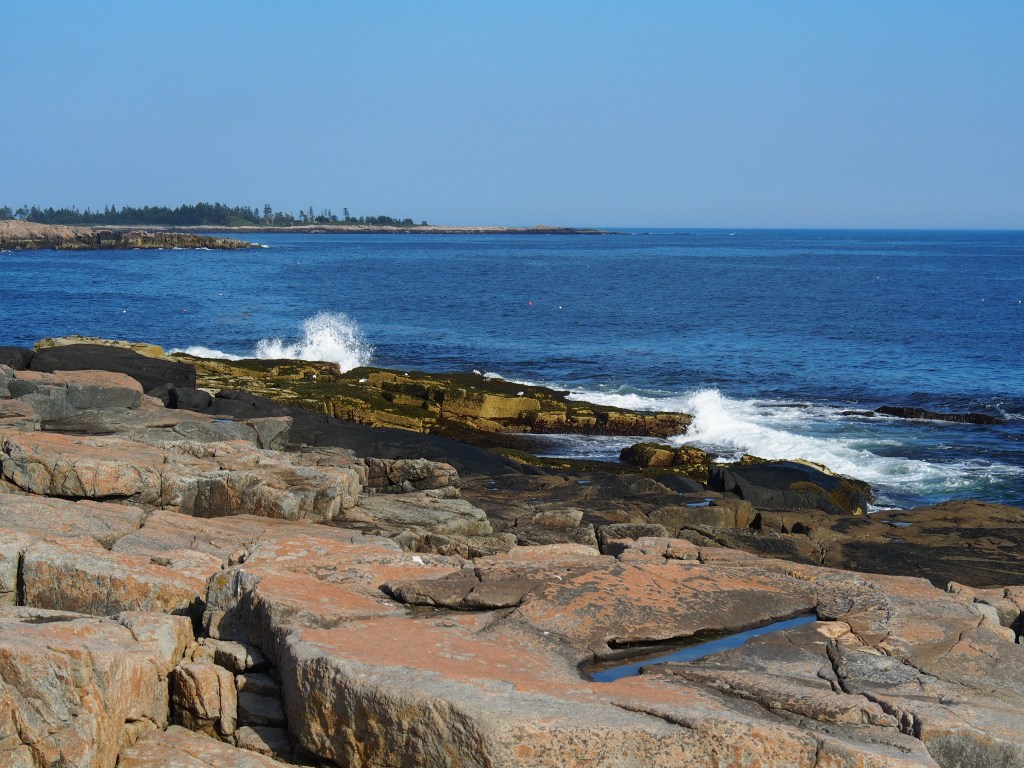
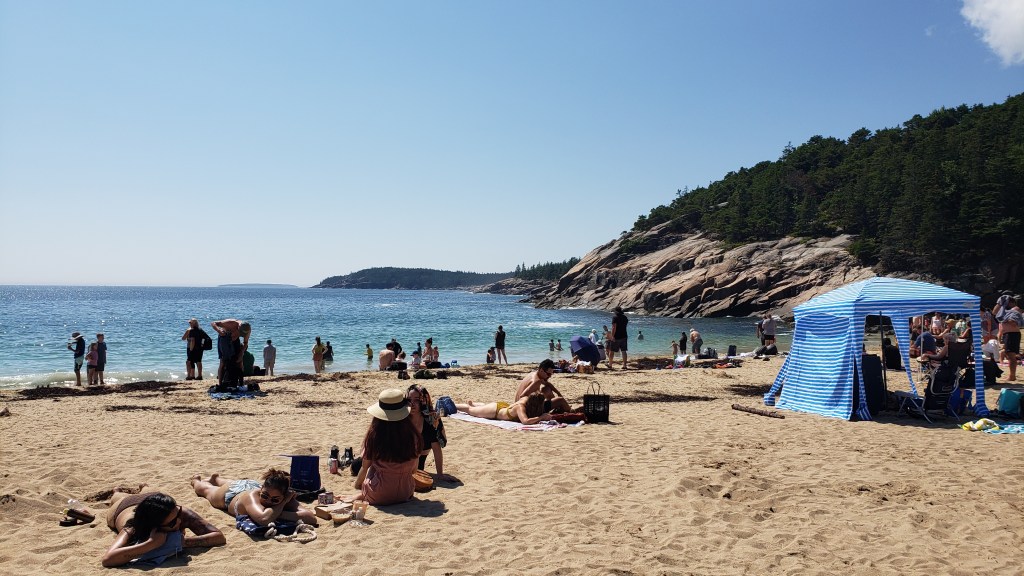
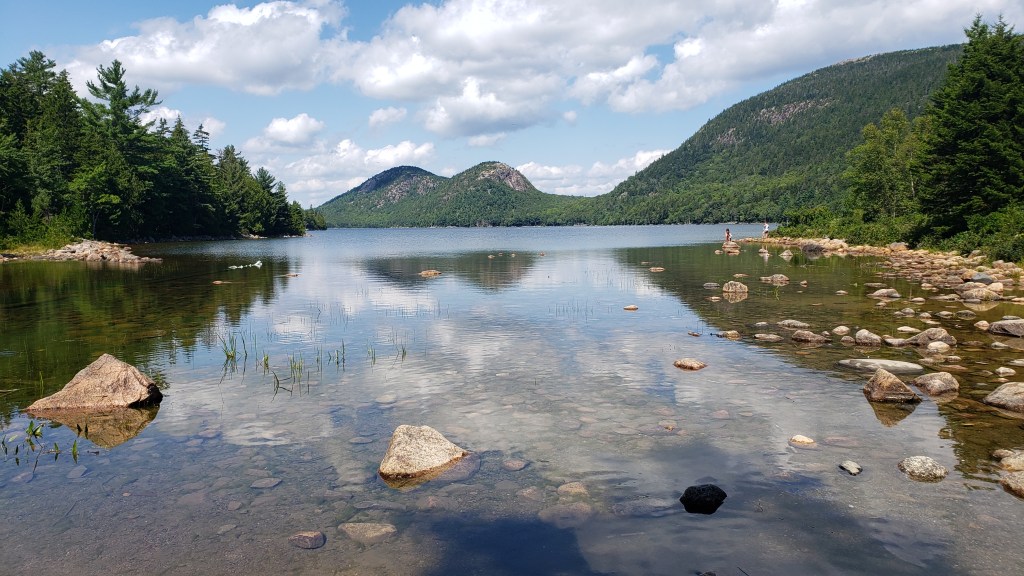
On Thursday morning, we drove over to the visitor center and found plenty of parking available, then caught the Loop Road bus. We made stops at a crowded Sand Beach (where people were swimming in the 55-degree water), the iconic Thunder Hole, and the Jordon Pond House which had gardens, a restaurant, visitor center, and gift shop. We sat and ate a picnic lunch on the shore of Jordon Pond with a great view of the lake and the Bubble Mountains in the background. After lunch, we headed back to pick up our truck and drove over to another portion of the park called Schoodic Point. It turned out that the two visitor centers over there had closed just minutes before we arrived. We were still able to take the scenic drive around the point, making several stops at areas with amazing views of the rocky coastline and the ocean. We also found that section of the park to be much less crowded, almost deserted, and were able to really enjoy some of the scenic areas practically all to ourselves. Thursday night we signed up for a ranger talk down on Sand Beach called Acadia’s Night Sky. There were quite a few people that turned out for that event, but unfortunately just as it was beginning to get dark a cloud bank rolled in and completely blocked out the stars. That didn’t deter the two rangers and they held the event as if the stars were visible, including pointing at various night sky objects with their green laser pointer and telling us all about them. It turned out to be a really fun event.
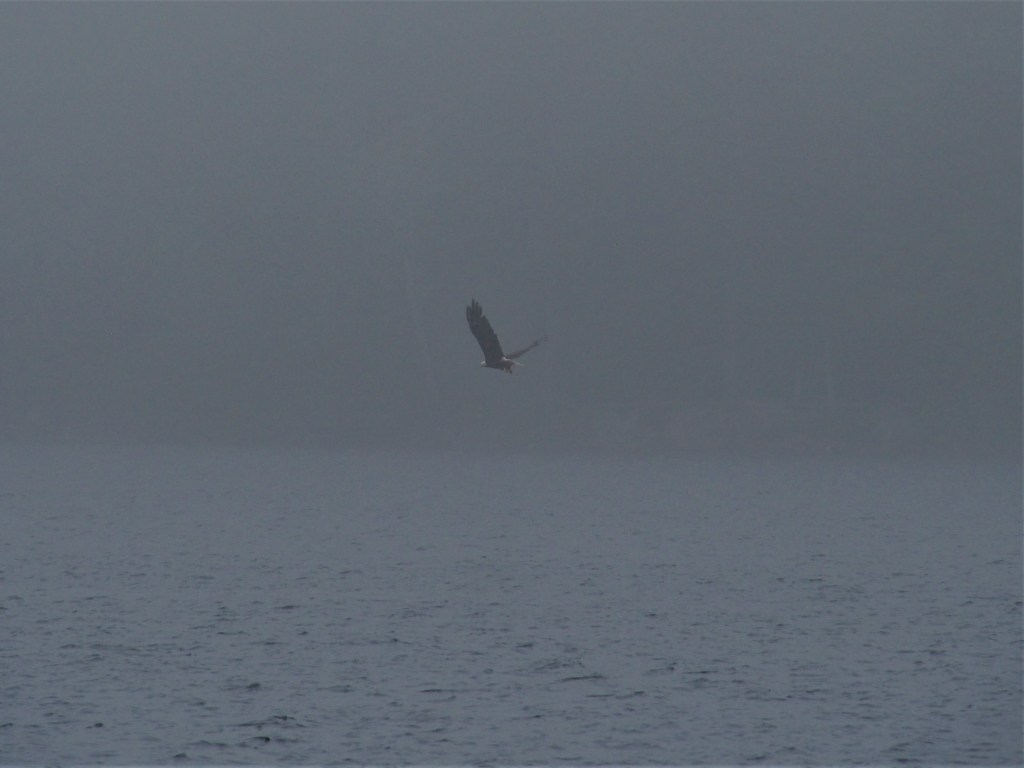
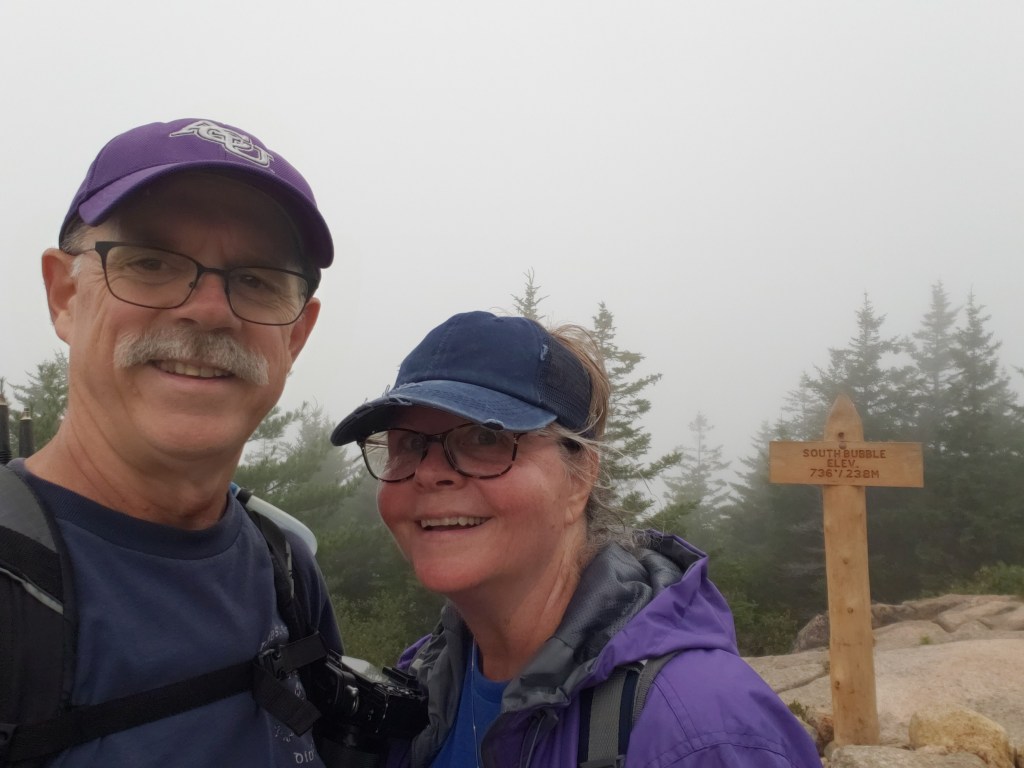
On Friday, we went back to Jordon Pond and hiked halfway around the lake, planning to pick up the trailhead to South Bubble Peak. Along the way we saw a bald eagle as he snatched a fish from the pond, then landed in a tree not far from us. The hike up the South Bubble was much more strenuous than we’d anticipated with several sections that required some bolder scrambling, but we managed to make it. It was very foggy and damp that day, so the views from the top weren’t as spectacular as we’d hoped. We ate a picnic lunch on the summit, hoping the fog would clear, but that just didn’t happen. Regardless, the hike was a good one. After returning to Jordon Pond via the easier northern route, we headed back to our campground.
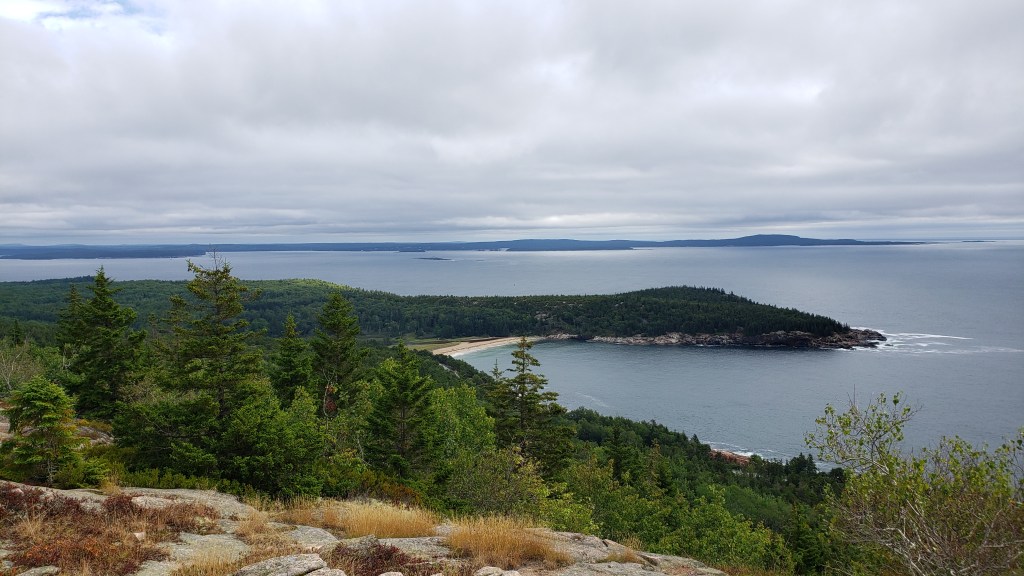
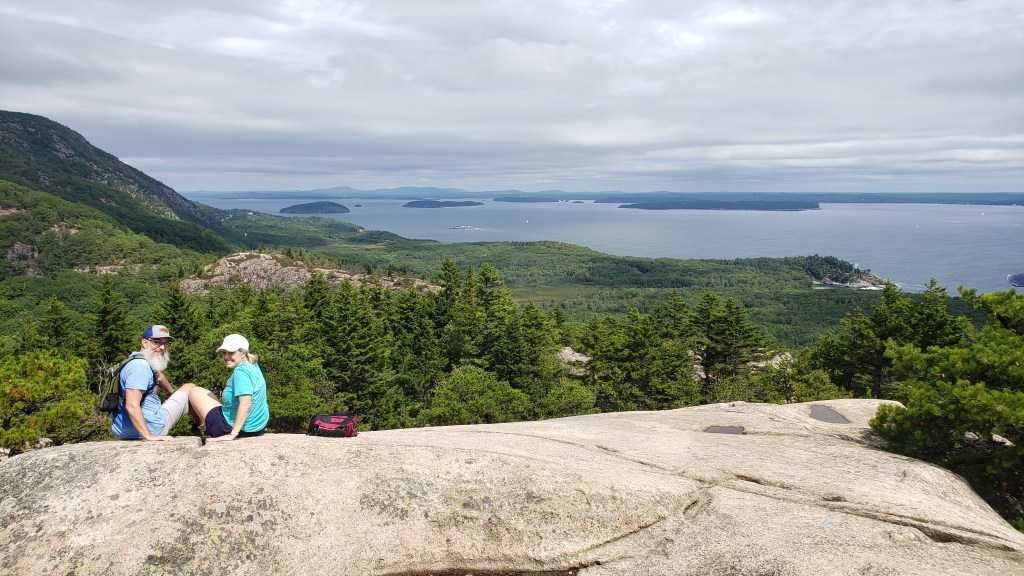
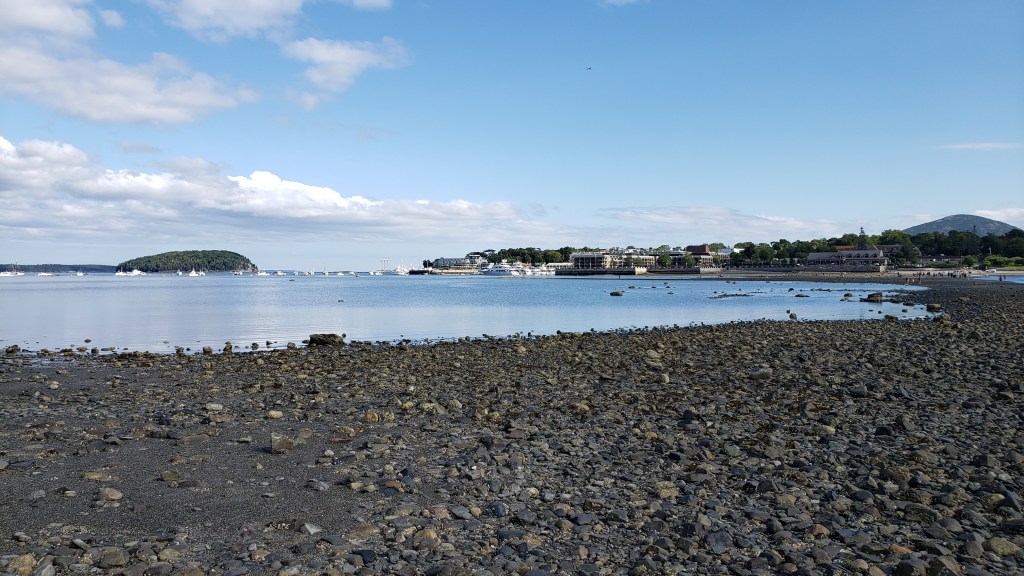
Saturday turned out to be a much better day for both hiking and the views. We met up with Chris and Marci Felker, whom you may recall we met back at the Boondockers Welcome location a week earlier in Biddeford, ME. They’re generally following a similar path to ours on their journey and we agreed to meet up on one of their non-working days to do a hike together. They still work remotely, so their activities tend to be mostly on the weekends. We met them at the visitor center and hopped a bus to Thunder Hole. Luckily, we arrived at Thunder Hold about two hours before high tide, which we’d been told was the perfect time to see and hear the waves crashing into the hole. After admiring that for a bit, we walked about a third of a mile along Ocean Path to pick up the mile long Gorham Trail to the top of Gorham mountain, 525-feet above. That trail, while fairly easy, did have a couple of steep sections. The views from the top were spectacular and we decided to enjoy both the views and the cool breeze while we had a sandwich. After soaking in the sunny morning for a bit, we headed down the north side of the mountain and picked up the less strenuous west side trail to the Beehive. This was opposed to utilizing the narrow ledges and metal rungs of the almost vertical east side of the mountain, of which none of us was too keen on trying. The trail from Gorham Mountain, back up to the Beehive, and back down to the bus stop added another 2-1/2 miles to our overall hike. The Felker’s headed back to their campground to attend to their two dogs. Debbie and I hopped aboard the Bar Harbor Road shuttle at the visitor center and headed into the town of Bar Harbor. Once there, since it was low tide, we were able to walk across the land bridge from Bar Harbor to Bar Island. It seemed to be one of the most “touristy” things to do, so we did it. After that, we had an early dinner at a small place in Bar Harbor called the Thirsty Whale. The seafood there was very good and very plentiful. I’d recommend it. Since we had big plans for Sunday morning, we caught the shuttle back to the visitor center, then headed back to our campground for an early evening.
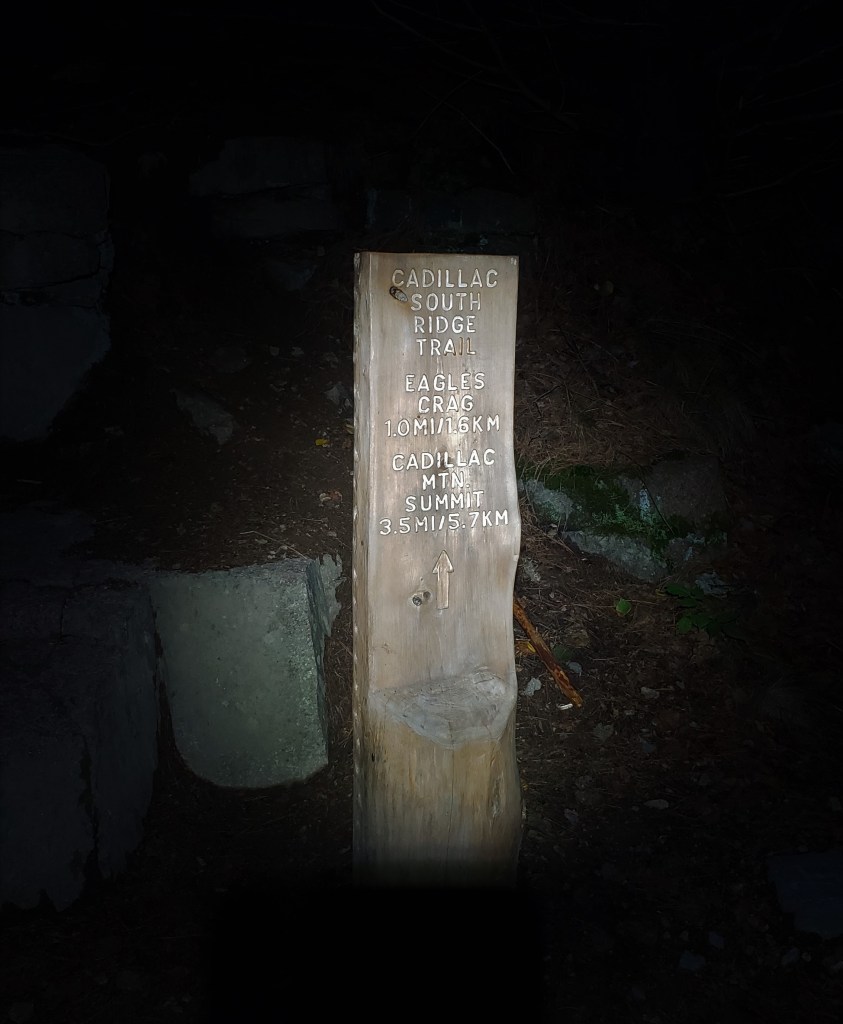
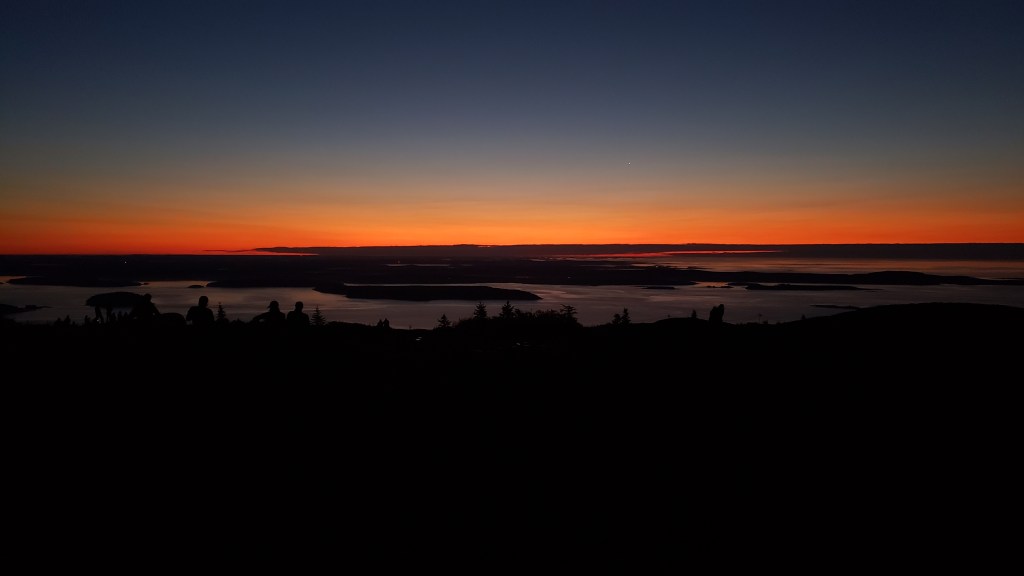
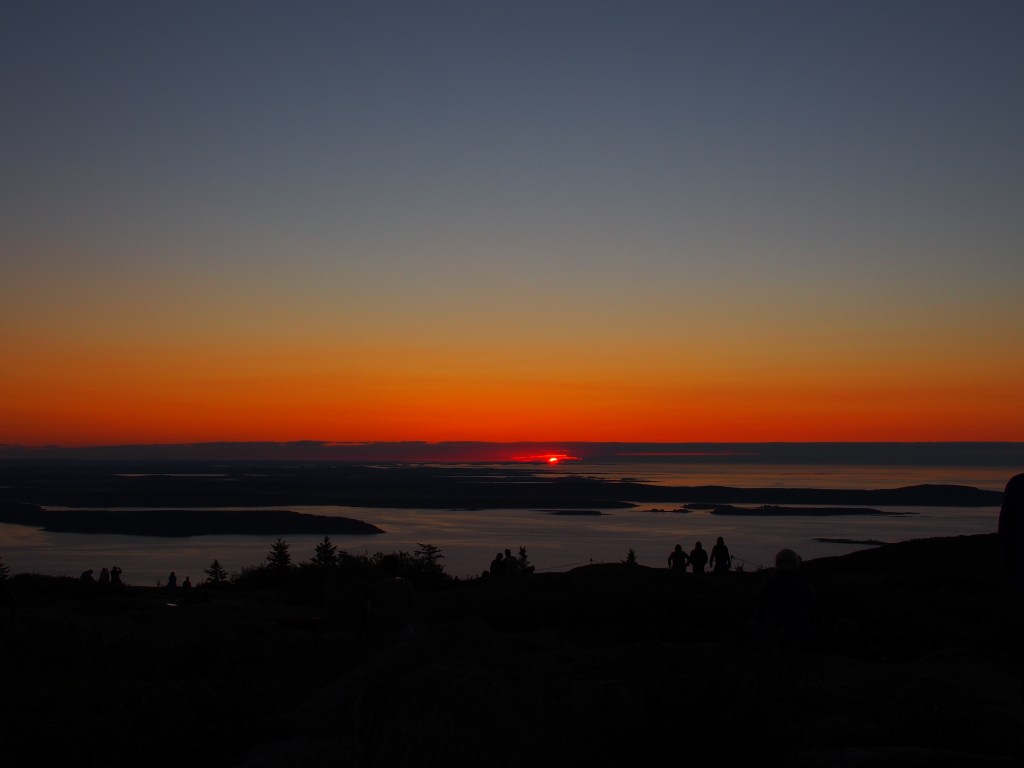
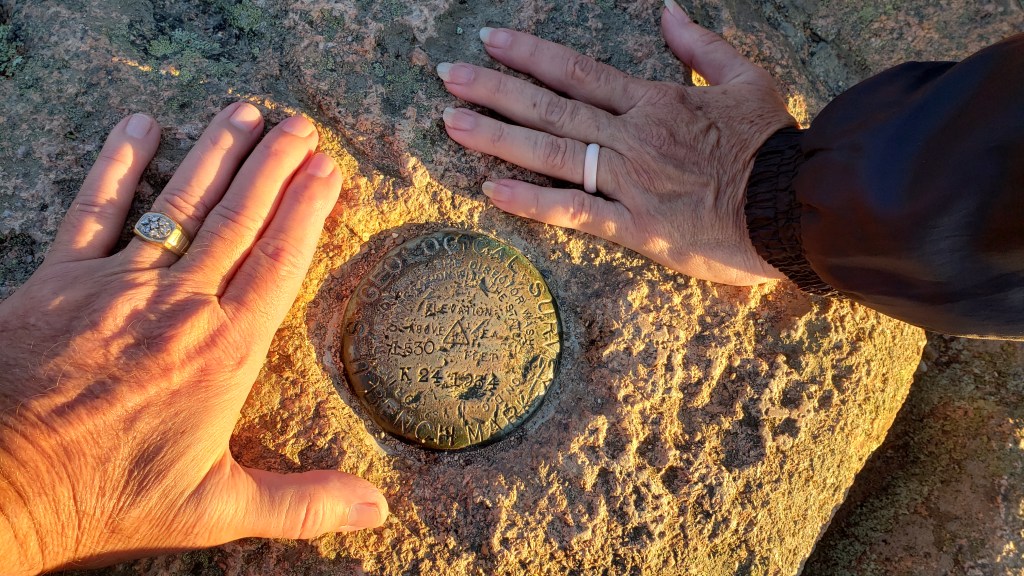
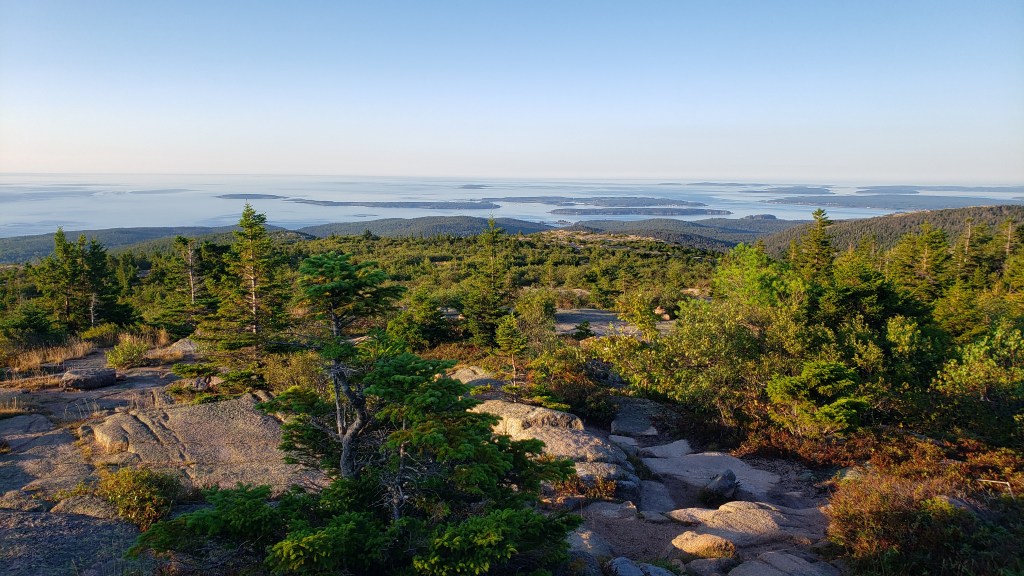
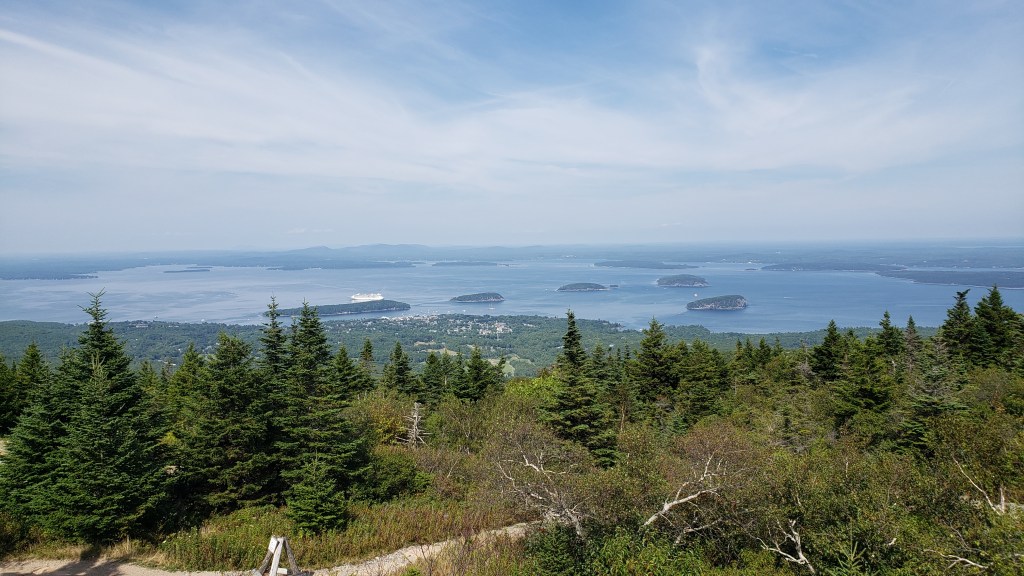
Sunday was to be our most ambitious day at Acadia. We wanted to witness the sunrise from the top of Cadillac Mountain, the highest mountain along the north Atlantic seacoast and the point where the sun first strikes the continental United States from October to early-March. Since we were unable to get reservations to drive up the mountain before sunrise, we opted to hike up in the dark. The shorter northern route, about 2-1/2 miles long, posed two problems for us. First, the parking there, even in the early morning hours, is almost nonexistent. The second issue is that it’s pretty steep and required some bouldering, which we didn’t relish doing in the dark. The other options, which we took, was to walk up the 3-1/2 mile long south ridge to the 1,530-foot summit. To accomplish that feat, we chose to give ourselves a little bit of extra climbing time and left our campground at 1:30 a.m. so that we could hit the trail around 2:00. Mind you, this just happened to be only a day or two after the new moon, so the only light in the woods at the bottom of the trail and the rocks at the top of the trail were from a couple of headlamps that we bought at Walmart on Saturday. With only a couple of short wrong turns that we were able to quickly correct with the help of the All-Trails app, we managed to reach the summit just after 4:30 a.m., 2-1/2 hours later. Surprisingly, even though it was still nearly an hour and a half before sunrise, there was already a distinct line of orange glow along the eastern horizon. There were quite a few people that were already there, having “cheated” by driving up the mountain. We found a very good location to sit in the cool predawn air and drank some mostly hot coffee while we waited for sunrise. As sunrise got closer, more and more people arrived and it actually got fairly crowded, but our spot had a large roped off area between us and ledge, so our view was pretty much unobstructed. Well, at approximately 5:45, the sun broke over the horizon, just under a narrow cloudbank on the horizon. The view was breathtaking! The pictures just don’t do it any justice at all. Once a majority of the people began to get in their cars to take the drive back down the mountain, Debbie and I began our 3-1/2 mile trek back down the South Ridge trail to our truck. It sounds like a crazy thing to do, but the experience will be one of those that we’ll be talking about for many years to come.
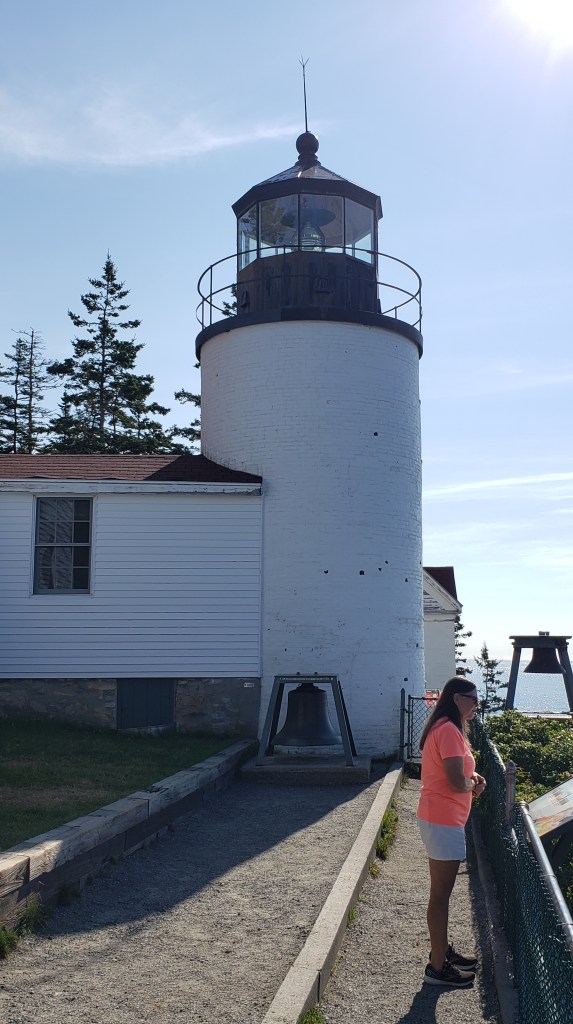
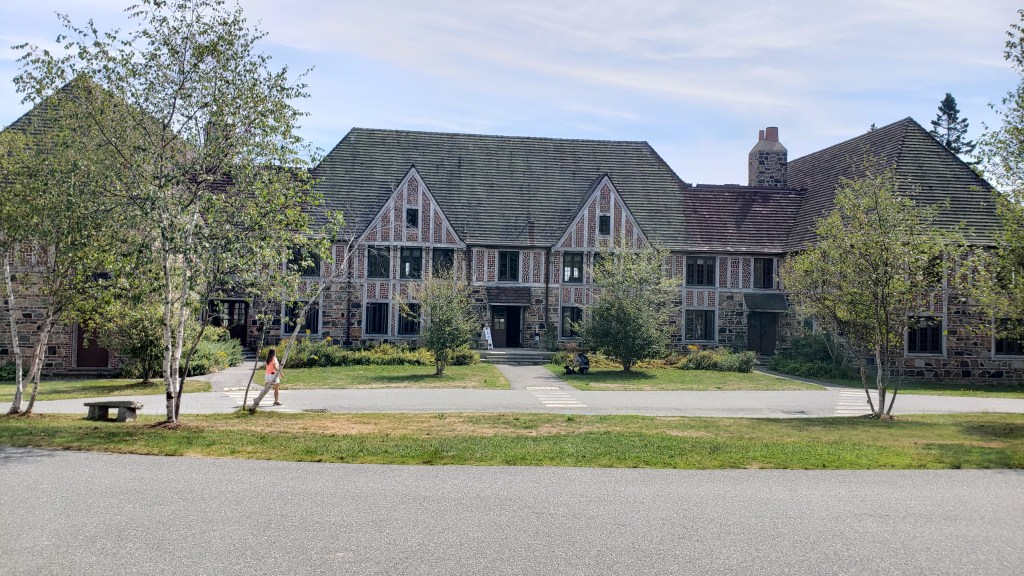
After the epic adventure we’d undertaken on Sunday, we decided that we’d not do any hiking on Monday, but would instead spend the day driving to several locations around the park, basically so that Debbie could get the rest of her National Park Service Passport book stamps for Acadia National Park. With two visitor centers and the store at the top of Cadillac Mountain having been closed when we were there earlier in the week, driving back to those locations would make for a good “rest day”. Our bodies were still trying to recover from tackling the South Bubble on Thursday, Gorham Mountain and the Beehive on Saturday, and Cadillac Mountain on Sunday. It was hard enough just to climb the three steps in our trailer! We started out by driving over to the Seewall Campground and the Bass Harbor Head Lighthouse in the western portion of the park for a couple of Debbie’s stamps. Then we again drove back over to the far eastern portion of the park on the Schoodic Peninsula to the Schoodic Woods Campground and the Schoodic Institute visitor centers. After again completing the scenic loop drive around the Schoodic Peninsula, Debbie was able to book a slot to drive to the top of Cadillac Mountain. Times to take the drive were available pretty much all day, except for the early morning. Those times are booked weeks if not months in advance. After getting the stamps in her book at these locations, that pretty much got all of them from Acadia.
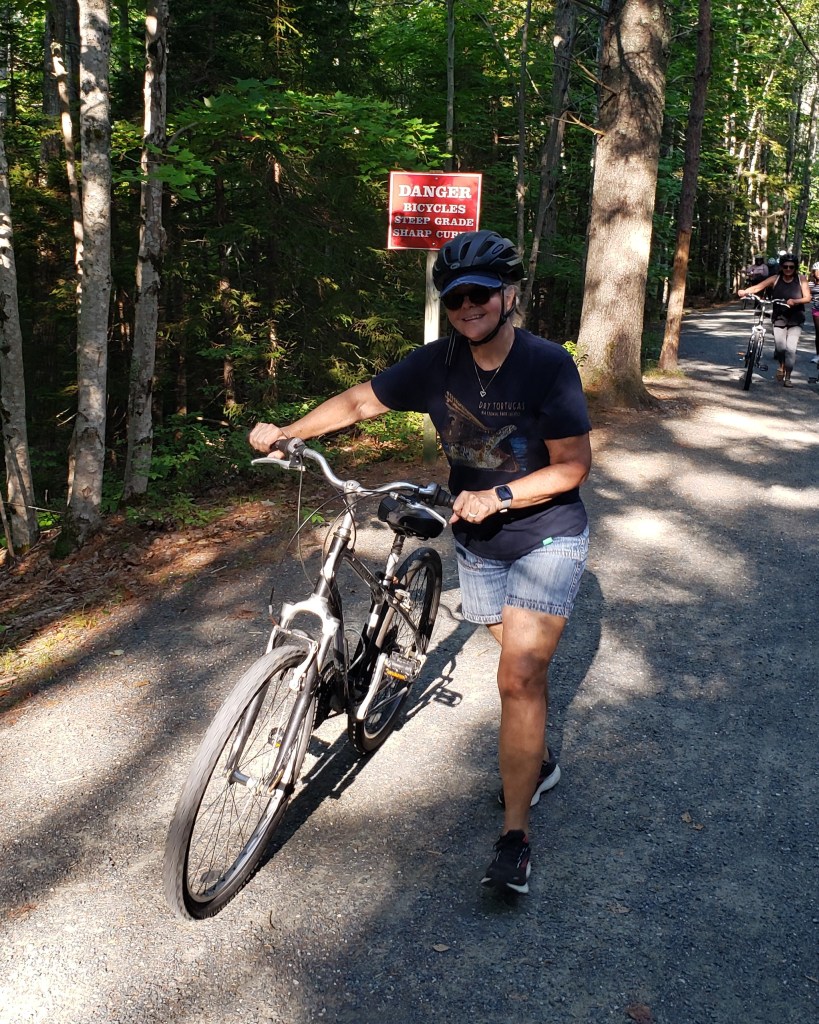
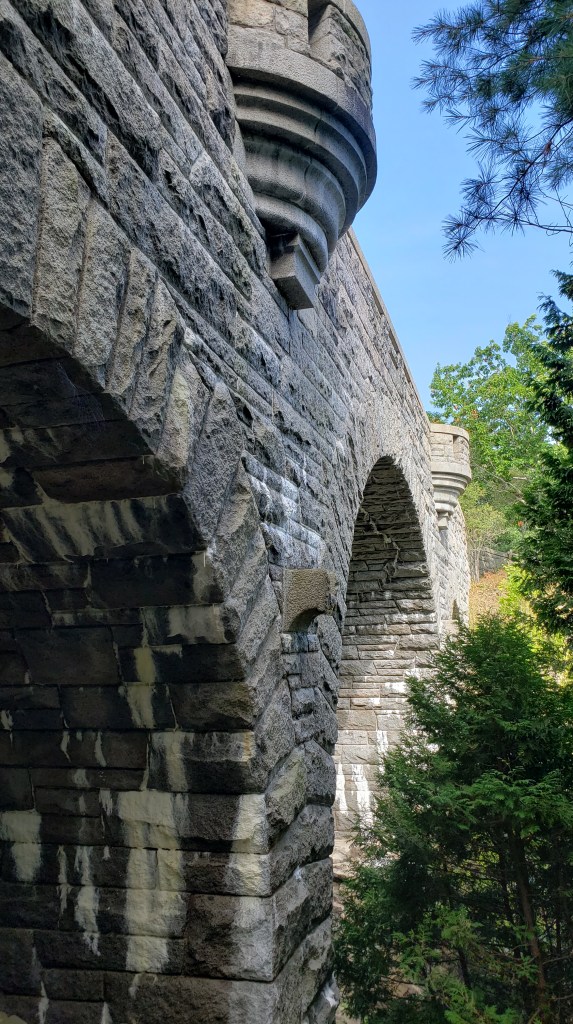
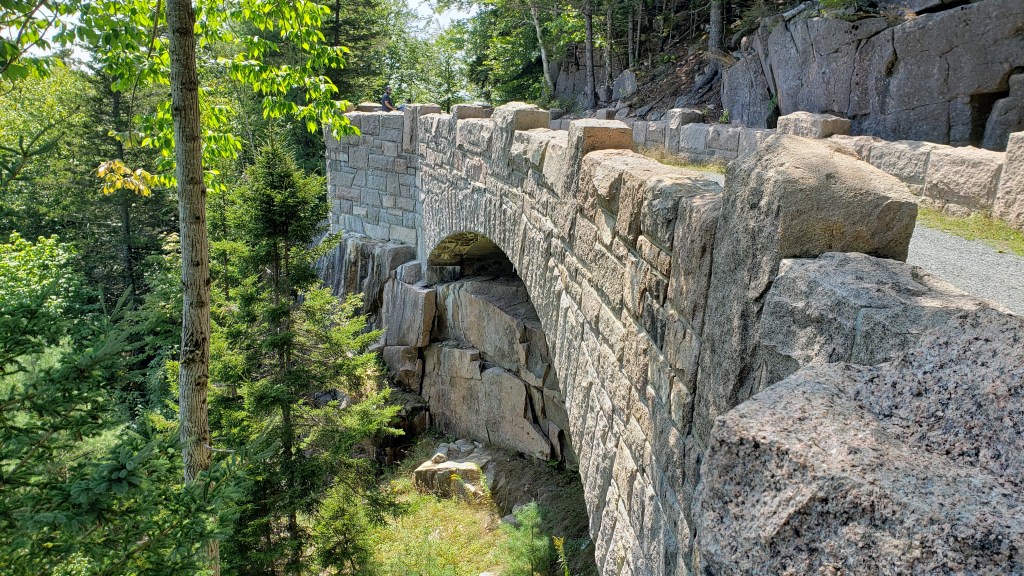
Tuesday’s morning began with a drive back to the main Visitor Center at Hulls Cove to take a six-mile, ranger-led bike tour on a portion of the Carriage Roads in the park. The 45 miles of carriage roads had been a gift from John D. Rockefeller Jr. and his family. The construction took from 1913 to 1940 to complete. Rockefeller also financed 16 of the 17 stone bridges and two gate houses that were needed along to roads. When the construction was complete, all environmental damage that had occurred was relandscaped to its natural state so that the roads looked as if they’d always been there. A stipulation that Rockefeller made, that still is in effect today, was that the roads were never to be used by motorized vehicles. They were a place to get away from the hustle and bustle of the cities, so they were meant for horses and carriages, as well as those that wanted to walk or bike the roads. While the carriage roads were reasonably flat, there were still quite a few hills and valleys that tried the abilities of some of our fellow bikers. Everyone was required to walk their bikes up the first quarter mile or so due to the steep incline, but after that the hills weren’t too awfully bad. After completing the six-mile, 2 1/2 hour ride, which did include frequent stops for the ranger to provide information about the carriage roads and the park, we ended back at the visitor center. Since we’d really only seen two of the bridges on the bike tour, I wanted to see some of the others, so we hopped on the shuttle bus back down to Jordon Pond for a walk along some more of the carriage roads. Unfortunately, we misjudged the route that we’d chosen and ended up walking almost five miles along the roads with some pretty significant climbs along the way. We were completely beat after that and headed back to our campground.
I will say that even with all of the hiking and biking, driving and shuttle-riding, there were still some trails that I’d like to hike and some mountains here that I’d like to climb, but our week just wasn’t long enough to do all of the things that there are here. The views are breathtaking, and the weather had been almost perfect, especially when compared to the heat of home. If you’ve never been to Acadia National Park, I highly recommend it. As I said, I believe it’s one of our two or three most favorite National Parks.
Next stop, we traveled to the most eastern point in the United States. I’ll give you something to think about regarding that statement. The most eastern point in the United States is actually in the Aleutian Islands of Alaska.

 LyndDebTravel